Southern Restaurant Classics That Never Go Out of Style
Walk into a good Southern restaurant and you can usually tell within a few minutes whether the kitchen understands its inheritance or is merely borrowing the language. The smell gives it away first. Hot oil that has carried batch after batch of chicken without turning bitter. Ham hocks or smoked turkey whispering through a pot of greens. Butter hitting a flat top. Something sweet, maybe peach cobbler or pecan pie, holding warm in the background. Then the room starts to speak. Someone orders sweet tea without looking at the menu. A server asks whether you want gravy on the side as if there is any real doubt. The plates that pass by are not delicate. They are assured.
That assurance is the reason certain Southern dishes never fade. Trends come and go. Menus chase local sourcing one year, global mashups the next, and social media has a way of elevating novelty over substance. Yet the classics remain, not out of nostalgia alone, but because they solve a basic restaurant challenge better than most fashionable concepts do. They please people. They carry memory. They reward skill. They are practical enough for busy dining rooms and expressive enough to build a reputation on.
The phrase "Southern food" can mean many things, which is part of its durability. Lowcountry cooking does not look exactly like the food traditions of Mississippi, Appalachia, Louisiana, or East Texas. There are differences in seasoning, starches, seafood, smoke, and heat. Still, across those regions, a handful of restaurant staples continue to define the category. They endure because they are more than recipes. They are methods, habits, and standards.
Why the classics still carry the room
Restaurants survive when guests return, and classic Southern dishes inspire return visits in a way that more experimental fare often does not. Familiarity matters, but it is not the whole story. The best classics contain built-in contrast. Fried chicken brings crisp crust and juicy meat. Shrimp and grits offers briny sweetness against creamy corn. Biscuits succeed because they balance tenderness, richness, and lift. These are satisfying combinations, and once a kitchen learns how to execute them consistently, they become reliable anchors.
There is also a practical restaurant reason these dishes stay relevant. Southern cooking, at its best, is built around techniques that scale without losing soul. Braising, frying, simmering, baking, and griddling are forgiving enough for volume if the staff has discipline. A pot of collard greens can deepen over service. Macaroni and cheese can hold if the sauce is right. Cornbread can be refreshed by the skillet. Even barbecue, which demands long lead times and patience, fits a clear rhythm. The hardest part is not making these foods once. The hard part is making them taste just as good on a slammed Saturday night as they did during family meal at four in the afternoon.
That is where many restaurants reveal themselves. Southern food looks simple on paper. In practice, it is ruthless about shortcuts. Underseason the flour, and fried chicken tastes flat no matter how photogenic it appears. Rush grits, and they stay coarse and separate. Bake biscuits with warm butter and poor folding, and they lose their layers. Guests may not always identify the exact technical mistake, but they know when the promise has not been kept.
Fried chicken, still the standard bearer
No dish says more about a Southern restaurant than fried chicken. It asks for judgment at every step, from the brine or marinade to the seasoning blend to the choice of flour, fat, and resting time. There is no universal correct version. Some kitchens lean on buttermilk for tang and tenderness. Others prefer a lighter dredge and a crisper, shattering crust. Some fry to a dark mahogany, others to a cleaner golden brown. What matters is the final bite. The crust should cling. The seasoning should be present all the way through. The meat should stay juicy, especially in the breast, which is where many kitchens fall Southern restaurant short.
Good fried chicken also reflects an understanding of service. A restaurant can ruin excellent prep by sending out chicken too soon after it leaves the fryer, when steam is still softening the crust, or too late, when the meat has tightened. The window is narrower than many diners realize. When a place consistently lands inside it, people remember.
Part of fried chicken’s staying power comes from its flexibility. It can headline a plate lunch with mashed potatoes and green beans. It can show up on a biscuit at brunch with hot honey or pepper jelly. It can even hold its own in a more polished dining room beside braised greens and a seasonal succotash. That range has allowed the dish to travel across price points without losing credibility.
Biscuits, the quiet test of the kitchen
If fried chicken is the loud declaration, biscuits are the quiet test. A Southern restaurant that bakes poor biscuits is telling on itself. They should not be an afterthought, and the best ones rarely are. A great biscuit feels almost weightless when you pick it up, yet substantial enough to split cleanly. The interior should show soft layers, not dense dough. The top should carry color, but not enough to taste dry.
People outside the South sometimes underestimate how specific biscuit expectations are. Too sweet, and they read as a scone. Too cakey, and they collapse under gravy. Too tough, and every other detail on the table starts to look suspect. Biscuits demand restraint. The dough has to stay cold, the handling minimal, the cut clean. There is craft in that simplicity.
In restaurants, biscuits pull double duty. They serve as bread service, breakfast staple, and edible proof of hospitality. Bring a basket to the table with softened butter, cane syrup, or a proper sausage gravy, and the meal starts with generosity. That opening gesture matters. The classics are not only about flavor. They set a tone.
Shrimp and grits, a dish that matured with the region
Shrimp and grits has had one of the more interesting journeys in Southern restaurant culture. What was once a relatively plain coastal combination became, over time, a dish chefs used to showcase regional identity. In weaker hands, it drifted into excess. Too much cream in the grits, too many toppings, too many competing flavors. In stronger kitchens, it became more focused and better for it.
The dish depends on proportion. The grits should taste like corn, not just dairy and salt. Stone-ground matters for texture, though even then the cook has to decide how loose or firm the final bowl should be. The shrimp need careful treatment because they cross from tender to rubbery in moments. Then there is the sauce or pan gravy, often built with bacon, country ham, tomato, stock, lemon, or some combination of the above. The best versions taste composed rather than busy.
What keeps shrimp and grits current is its ability to bridge home cooking and restaurant finesse. It feels comforting, but it also rewards attention to sourcing and detail. Better grits make a difference. Fresh Gulf shrimp make a difference. A measured hand with acid and smoke makes a difference. Guests may order it expecting comfort, but they come back because the balance was better than it had to be.
Barbecue, where patience becomes the product
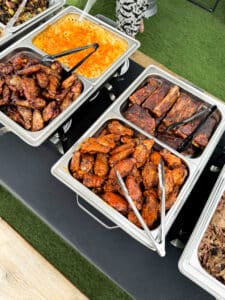
Barbecue sits in its own category because it is not just a dish, it is a system. A real barbecue program dictates prep schedules, staffing, fuel choices, equipment maintenance, and often the restaurant’s identity. Whether the house style leans toward pulled pork, chopped pork, sliced brisket, ribs, or smoked chicken, the principle is the same. Time cannot be faked.
That fact alone explains why barbecue classics never lose their place. They are among the clearest examples of effort that diners can taste. Smoke should support the meat, not dominate it. Bark should hold flavor and texture without turning hard. Sauce, if served, should complement rather than conceal. In many Southern restaurants, especially those outside barbecue’s strongest regional corridors, the temptation is to over-sauce or over-smoke in search of instant character. Experienced pitmasters know better.
Barbecue also reveals something fundamental about Southern dining. The meal often feels communal, even when the plate is individual. Trays with pickles, slaw, white bread, beans, and smoked meats encourage sharing and debate. Vinegar sauce or tomato sauce. Wet ribs or dry ribs. Slaw on the sandwich or on the side. These are not trivial preferences. They are the kind of details that turn customers into regulars.
Meatloaf, country fried steak, and the glory of the everyday plate
Not every Southern classic is glamorous. Some of the most enduring restaurant staples come from the humble plate lunch tradition, where value, consistency, and emotional pull matter as much as culinary theater. Meatloaf, country fried steak, chicken and dumplings, pot roast, and liver and onions continue to appear because they answer a need that trend-driven dining often ignores. Sometimes people want dinner to feel recognizable, complete, and unpretentious.
Country fried steak is a perfect example. At its worst, it is a tough piece of beef hidden under bland breading and pasty gravy. At its best, it is one of the great comfort dishes in American restaurants. The coating stays crisp long enough to interact with the peppery cream gravy without dissolving into sludge. The steak beneath remains tender. Mashed potatoes on the side are not decorative, they are structural. This is a plate built around soft and crisp, fat and spice, richness and release.
Meatloaf carries its own challenge. Because it is common, it is easy to dismiss. Yet making meatloaf that slices neatly, stays moist, and tastes seasoned all the way through requires care. Too lean, and it dries out. Too many fillers, and it turns spongy. Too much glaze, and it drifts sweet. Good Southern restaurants understand that everyday dishes are often the most revealing. They do not hide behind rarity or luxury ingredients. They stand on technique and restraint.
Sides are not side issues
One way to judge a Southern restaurant quickly is to pay attention to the sides. In many cuisines, sides are support players. In Southern cooking, they are part of the core argument. Collard greens should have both depth and freshness. Macaroni and cheese should not split or sit in a gummy block. Black-eyed peas, butter beans, okra, stewed tomatoes, squash casserole, candied yams, and field peas each ask for their own approach. Treat them as filler, and the whole meal feels cynical.
This matters because Southern meals are built through accumulation. A guest might come in for fried catfish, but the memory of the meal may depend just as much on the turnip greens, the hush puppies, and the banana pudding that followed. Skilled kitchens know this and train accordingly. Seasoning vegetables well is not glamorous work. Neither is checking holding pans, refreshing serving utensils, or making sure a pan of cornbread remains tender through service. But these are the details that separate a place with charm from a place with standards.
There is also an economic truth here. A restaurant can differentiate itself with sides in a way that is both meaningful and sensible. Not every operation can buy prime beef or pristine shellfish every day. Most can learn to cook beans properly, to season greens with intention, and to serve cornbread that tastes fresh from the oven rather than warmed from yesterday.
Desserts that finish the story
Southern restaurant desserts endure because they know what their job is. They are not trying to astonish. They are trying to satisfy at the exact moment when guests are considering whether they have room for one more bite. Banana pudding, pecan pie, peach cobbler, bread pudding, hummingbird cake, and chess pie continue to win that argument.
Banana pudding in particular is often mishandled because restaurants underestimate the importance of texture. The pudding should be rich but not heavy, the cookies softened but not dissolved, the bananas ripe but not tired. When served cold after a savory, salt-forward meal, it lands with a kind of calm certainty. Peach cobbler has a similar effect, especially when the fruit keeps enough acidity to avoid becoming jammy. Pecan pie, often paired with black coffee, gives a meal a proper final edge of bitterness and sweetness.
These desserts last because they complete the Southern dining logic. Much like the mains, they are familiar without being boring. The difference between a passable banana pudding and an excellent one is larger than many people think. Restaurants that honor that difference build trust.
The dining room matters too
Food alone does not explain why classic Southern restaurant fare remains beloved. Service style plays a major role. Southern hospitality can be reduced to cliché, but in its best form it means something concrete. Water glasses do not sit empty. Refill offers arrive before they become necessary. Servers know which pies are left without disappearing for ten minutes. Guests feel looked after rather than processed.
That style of service suits classic food because both are grounded in ease. A plate of fried chicken and mashed potatoes should not arrive with a speech longer than the recipe. The room should feel attentive but relaxed. This is one reason many of these classics perform so well across generations. Grandparents, parents, and children can all recognize the cues. They understand the meal they are about to have.
The strongest Southern restaurants also know how to evolve without breaking that understanding. They may source better produce, lighten a few preparations, or sharpen plating. They may offer regional hot sauces, heritage grains, or seasonal specials. But they do not strip away the warmth, abundance, or straightforwardness that made the classics matter in the first place.
What separates a timeless Southern restaurant from a themed one
There is a difference between a restaurant that lives in Southern tradition and one that stages it. Themed places often lean too hard on signals. Mason jars, reclaimed wood, exaggerated menu language, and oversized portions stand in for discipline. The food may be pleasant enough, but it lacks the authority that comes from repetition and care.
A timeless Southern restaurant, by contrast, usually shows a few consistent traits:
- The signature dishes arrive the same way every time, not identical in a mechanical sense, but reliably excellent.
- The sides receive as much attention as the proteins.
- The kitchen seasons boldly but with control, especially in fried foods, gravies, and vegetables.
- Service feels hospitable rather than performative.
- The menu leaves room for regional identity instead of flattening the South into one generic style.
Those traits are harder to build than they look. They require management that values training, cooks who respect foundational work, and owners who resist turning every menu into a trend report. Yet when a restaurant gets them right, guests respond with loyalty that newer concepts often envy.
Why these dishes will still matter years from now
Classic Southern restaurant dishes have lasted because they satisfy more than appetite. They connect technique with comfort, regional identity with broad appeal, and modest ingredients with serious craft. They work at breakfast, lunch, supper, Sunday brunch, and holiday gatherings. They fit diners, white-tablecloth rooms, family-owned meat-and-three spots, and modern neighborhood restaurants. That kind of adaptability is rare.
There is another reason they endure. These dishes ask cooks to master fundamentals. You cannot disguise mediocre frying under a fancy garnish. You cannot fake biscuit texture with branding. You cannot build memorable shrimp and grits from dull stock and impatient timing. Southern classics reward kitchens that know how to season, brown, simmer, bake, and serve with consistency. Those skills never go out of style because diners can taste the difference immediately.
For anyone who loves restaurants, that is reassuring. In an industry that often feels restless, the Southern classics remain steady. Fried chicken still draws a crowd. Biscuits still start the meal right. Greens, grits, gravy, cobbler, barbecue, and banana pudding still turn first-time guests into regulars. The forms may shift slightly from one region or chef to another, but the core appeal does not budge. A great Southern restaurant understands that permanence is not stagnation. It is proof that some ideas were right from the beginning.
Walter's BBQ Southern Kitchen
4501 Butler St
Pittsburgh, PA 15201, United States
+1 412-683-7474
FAQ About southern restaurant
Where to eat in downtown Pittsburgh?
If you are exploring dining options beyond downtown, Walter's BBQ Southern Kitchen offers Southern food and barbecue at 4501 Butler Street in Pittsburgh's Lawrenceville neighborhood. It is outside downtown, so allow travel time when planning your visit.
What is a must eat in Pittsburgh?
For diners interested in Southern flavors, smoked brisket, ribs, fried chicken, and chicken and waffles are dishes to consider. Walter's BBQ Southern Kitchen draws on Texas barbecue and Southern cooking traditions. Check the current menu for the dishes available during your visit.
What are some of Pittsburgh's unique restaurants?
Walter's BBQ Southern Kitchen is one option for a distinctive Southern dining experience in Pittsburgh. Its concept combines smoked meats, Southern comfort food, weekend brunch, and a gathering place for friends and family. The restaurant is located on Butler Street in Lawrenceville.